
01 / YOUR DOOR, EXPLAINED
Start with how the door behaves
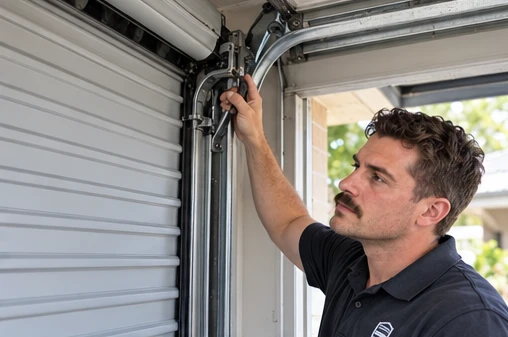
A garage door is a connected mechanism, so a fault in one part can affect another. A stiff track may strain an opener; a damaged cable may leave the door uneven. Rather than choosing a replacement part based on a noise, describe the movement and any visible change. For garage door repair near me, your first step can be a simple phone conversation about the symptoms, the equipment, and whether the door is currently safe to approach.
02 / YOUR DOOR, EXPLAINED
Spring repair and lifting balance
Springs help counterbalance the weight of a door. A broken spring can make the system unexpectedly heavy and may prevent normal opening. The spring repair page explains common warning signs and why tensioned components need specialist handling. Mention any loud bang, visible separation, or sudden loss of lift when calling. Avoid releasing an elevated door if a spring failure is suspected, because the weight may no longer be controlled in the normal way.
03 / YOUR DOOR, EXPLAINED
Opener repair and control faults
If the remote stops responding or the motor runs without moving the door, the opener guide is a useful place to begin. The fault could involve the control, power supply, drive connection, or the door itself. Battery checks and a clear doorway can rule out simple causes, but repeated force adjustments can conceal a mechanical issue. Garage door repair in South Yarra, VIC should consider how the motor and door work together before assuming the opener must be replaced.
04 / YOUR DOOR, EXPLAINED
Tracks, rollers, and the path of travel
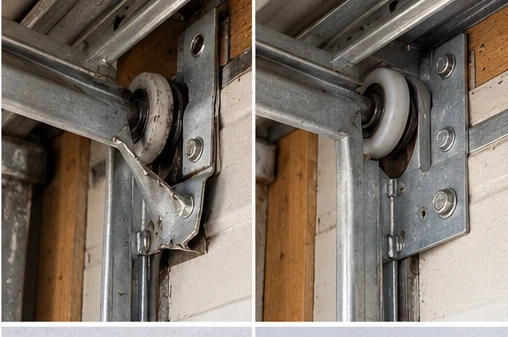
Tracks guide the door, and rollers support movement along that path. Grinding, scraping, or a door that sits crookedly may point to problems in this area. The track and roller service page covers alignment and wear, including why an off-track door should be left alone. Keep the affected space clear and explain whether the door has recently been hit by a vehicle or caught on an object. Impact details can change the inspection priorities.
05 / YOUR DOOR, EXPLAINED
Cables and the supporting hardware
A frayed or displaced lifting cable can change how the two sides of the door move. The cable repair guide discusses visible warning signs and the hardware that may also need checking. Do not pull on a loose cable, loosen a bottom bracket, or attempt to guide the door back into place. When comparing a garage door repair service near me, ask how the cause of cable damage will be addressed alongside the replacement itself.
06 / YOUR DOOR, EXPLAINED
Maintenance and planning the next step
Maintenance creates an opportunity to notice wear before a small change becomes a larger interruption. The maintenance page explains what to report, what to ask, and why care should follow the equipment instructions. Choose a service below, then call +61 3 8400 0538 with your suburb and door details. Our business hours are 7am to 11pm daily. Appointment timing, parts, and the final scope can be discussed once the particular requirements are understood.
FIVE WAYS WE CAN HELP
Find the right service for your door.
Spring Repair
A spring problem can change the weight and movement of a garage door suddenly. If you hear a bang or the door becomes unusually heavy, stop operating it and call to discuss a residential spring inspection.
View serviceOpener Repair
An unresponsive remote, a motor that hums, or a door that reverses unexpectedly can have several causes. Our opener repair guide helps you separate useful observations from adjustments that should wait for inspection.
View serviceTrack & Roller Repair
Scraping, grinding, or uneven travel can point to wear or misalignment along the door path. Track and roller repair focuses on how the door is guided and supported throughout its movement.
View serviceCable Repair
Loose strands, an uneven door, or a cable hanging away from its normal path deserve attention. Cable repair involves the lifting system and should be approached with the door safely supported and its condition assessed.
View serviceMaintenance
Routine attention gives you a chance to notice changes in door movement, controls, and visible hardware. Maintenance should follow the installed equipment’s instructions and focus on condition rather than waiting for a complete failure.
View serviceA FEW USEFUL ANSWERS
Before you call
Do all faults need replacement parts?
Some faults involve adjustment or an obstruction, while others require a suitable component. The correct approach depends on inspection.
Can you identify a fault from one photo?
A photo may help explain visible damage, but it cannot establish balance, operating forces, or every hidden component condition.
LET’S TALK ABOUT YOUR DOOR
A clear next step starts with a call.
Tell us your suburb and what the door is doing.